
Choose us for your Septic Needs. Fill out our form and we'll be in touch!
*During normal business hours. After hours calls will be returned the next business day.
Choose us for your Septic Needs. Fill out our form and we'll be in touch!
*During normal business hours. After hours calls will be returned the next business day.
Licensed drain field services in King County WA protect your home from hazardous sewage backups, soil saturation, and catastrophic five-figure replacement bills. At Puget Sound Septic, we deliver specialized, code-compliant On-Site Sewage System (OSS) solutions engineered specifically for King County’s challenging terrain—from the compacted glacial till of the Eastside plateaus to the saturated, high-water tables of our river valleys.
Whether you are addressing an active lateral trench failure, diagnosing a flooded distribution box, or navigating strict Seattle & King County Public Health repair mandates, our certified technicians provide precision drain field services in King County WA to safeguard your property.
Call today to schedule a drain field inspection and get a free, no-obligation estimate.
Accurate solutions begin with discovering exactly what is happening beneath the turf. By identifying whether an issue stems from line blockages, settling pipes, or hydraulic overload, our targeted inspections provide clarity for homeowners navigating property transfers or diagnosing active plumbing sluggishness.
A malfunctioning dispersal area does not always require a complete excavation. When early warning signs are identified quickly, targeted repairs can often restore normal absorption. Our technicians resolve physical disruptions like crushed or misaligned lateral lines, clear and relevel distribution boxes, and evaluate options for resting and rejuvenating overburdened soil beds without unnecessary disruption to your property.
When an aging absorption area reaches the natural end of its service life, or when heavy biomat accumulation permanently seals the soil, building a new dispersal area becomes necessary. We manage the entire installation process in strict adherence to Seattle & King County Public Health standards. From navigating site evaluations and local soil considerations to sizing, layout, and final installation, we ensure your new system is engineered to perform for decades.
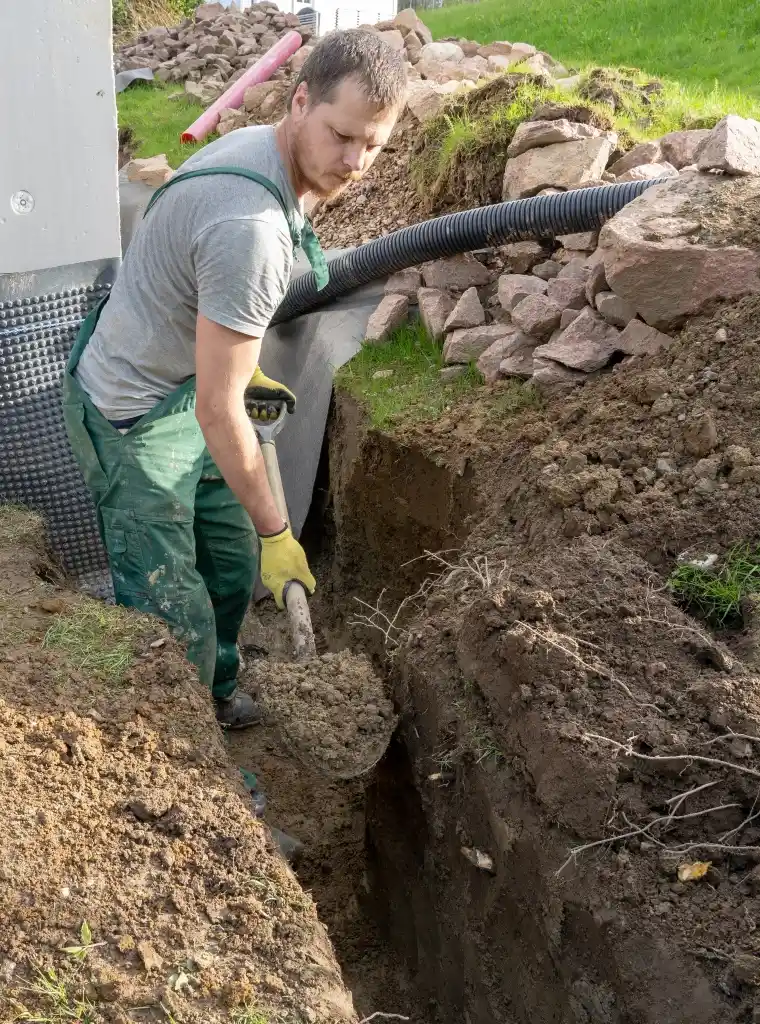
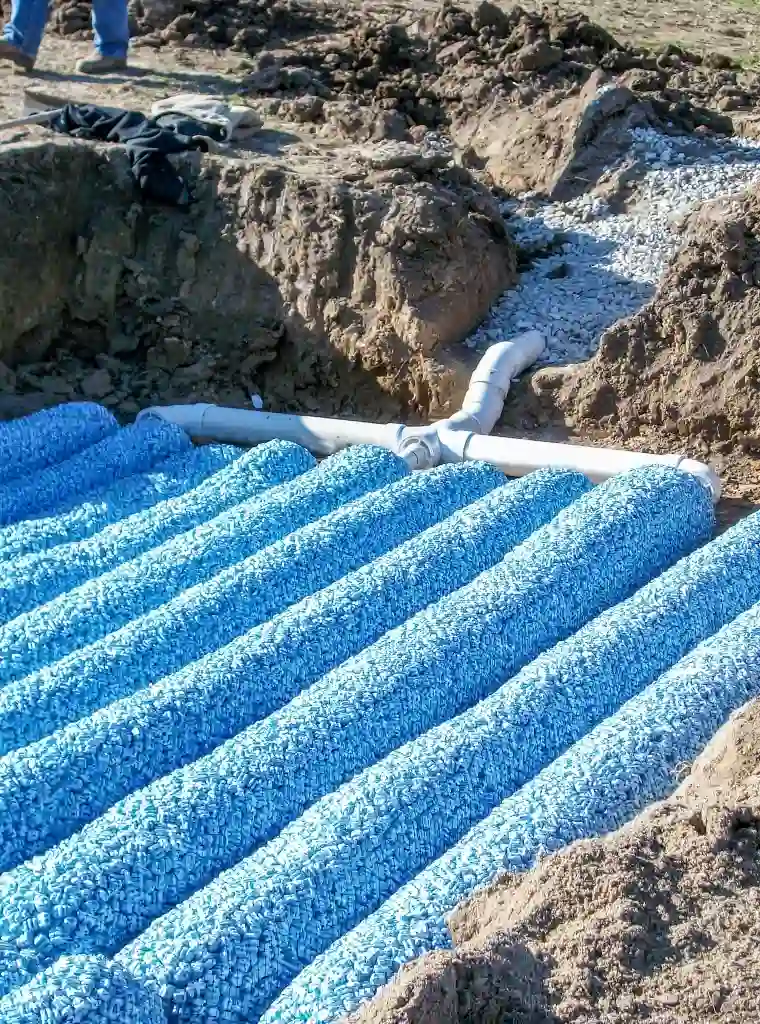
Every residential property in King County and the greater Seattle area features a unique combination of soil depth, property slope, and daily wastewater flow. Because no two yards face identical demands, Puget Sound Septic provides end-to-end drain field services designed to address every stage of your system’s life cycle.
Allowing a struggling dispersal bed to go unchecked can quickly turn a manageable maintenance item into a major property emergency. Over time, lack of attention leads to compounding failures:
Because problems often develop gradually beneath the surface, learning to recognize early warning signs helps you take corrective action before a total shutdown occurs:
A drain field cannot simply be pumped clean; it requires careful management of incoming liquid volume and proper soil aeration. At Puget Sound Septic, our proactive assessments are tailored to the realities of Washington living.
During an assessment, our technicians evaluate your effluent filters, verify that flow is distributed evenly across all lateral lines via the distribution box, and inspect soil drainage rates. We help homeowners understand their property’s daily hydraulic load—the total volume of water entering the soil bed at any given time.
In a region known for steady, soaking seasonal rains, managing high-volume water spikes (such as consecutive laundry loads or high-occupancy gatherings) is vital. Our evaluations give you practical, actionable guidance to balance water usage, protect resting lateral lines, and extend the functional lifespan of your investment.
Keeping your on-site septic dispersal system in great shape often requires a team that understands local geology, engineering principles, and regional building codes. Homeowners trust Puget Sound Septic because we deliver:
Surface breakouts, sluggish indoor plumbing, and standing effluent over your dispersal trenches are active emergencies that worsen with every rainfall and laundry cycle. Postponing diagnostics risks turning a restorable distribution issue into a complete, permitted absorption bed replacement. As licensed, bonded, and insured King County OSS specialists, Puget Sound Septic provides responsive diagnostics, comprehensive record drawing (as-built) reviews, and transparent restoration pathways tailored to your property’s specific soil log.
Do not let an overwhelmed dispersal field compromise your home’s sanitation or land value. Call Puget Sound Septic today to speak directly with an on-site specialist and schedule your priority drain field assessment in King County WA.
Fill out our form and we'll be in touch!
Choose us for your Septic Needs. Fill out our form and we'll be in touch!
*During normal business hours. After hours calls will be returned the next business day.

Under typical conditions with mindful water usage and prevention of solids carryover, a well-constructed drain field lasts between 20 and 30 years. However, this lifespan varies widely based on local soil composition, household water consumption, and how well the surrounding absorption area is protected from compaction and surface runoff.
It depends on whether the underlying issue is structural, mechanical, or biological. If an individual lateral line has shifted, collapsed, or been invaded by roots, targeted line repairs, leveling of the distribution box, or installing flow diverters can often restore balance. However, if the surrounding soil has become permanently clogged with an impermeable biomat across the entire bed, creating a new absorption area is usually the only lasting solution.
Physical excavation and installation typically take 1 to 3 business days on site, depending on soil conditions, weather, and system complexity. During the active phase when the existing septic tank or pump chamber is disconnected and tied into the new dispersal manifold, household plumbing must be taken offline temporarily. Our technicians minimize this disruption by staging the new trenches before cutting the main lines, and we can arrange temporary holding pumping or portable facilities if extended plumbing downtime is necessary.
Minor mechanical or line repairs on conventional gravity systems can often be handled under a Limited Repair Permit filed directly by a licensed master installer or maintainer. However, full replacements or major trench reconfigurations require a licensed septic designer or engineer to submit a comprehensive repair proposal, soil log, and site plan. Permitting timelines through Seattle & King County Public Health generally range from several weeks to a few months depending on departmental backlogs and site inspection schedules, though emergency active-failure repairs receive prioritized review.
King County encompasses sensitive waterways, marine shorelines, and critical groundwater recharge zones. Public health guidelines mandate strict separation distances between dispersal trenches, property lines, wells, and surface waters to prevent untreated pathogens and excess nutrients from contaminating local drinking water and regional ecosystems.
The only safe ground cover for an absorption area is shallow-rooted grass or native turf. You should never plant trees, shrubs, or deep-root ground covers near the lateral trenches, as moisture-seeking roots quickly invade and damage perforated dispersal pipes. Additionally, never drive vehicles, place storage sheds, or construct patios or decks over the field, as the weight compacts the soil and cuts off necessary oxygen transfer.
Heavy Pacific Northwest rains saturate the topsoil from above, leaving less room for wastewater to filter through from below. If roof downspouts, driveways, or yard grading direct surface runoff toward your dispersal field, the ground can become inundated quickly. Ensuring all surface drainage flows away from the field prevents seasonal flooding and preserves absorption capacity.
Older properties frequently lack a pre-designated 100% reserve area, or later additions (such as driveways, outbuildings, or pools) may have encroached upon it. If no open ground meets standard gravity trench setbacks, King County guidelines allow for advanced treatment technologies—such as aerobic treatment units (ATUs), drip dispersal, or sand filter systems—that require significantly smaller absorption footprints and shallower soil depths. In rare cases where space is severely constrained, tightline holding tanks or off-site easement solutions may be evaluated with county approval.
Standard homeowner policies typically exclude drain field failures resulting from age, ground settling, poor soil percolation, or normal wear and tear. However, insurance may provide partial coverage if the failure was triggered by a sudden, covered external peril—such as a fallen tree crushing lines or an unpermitted utility strike. If you have added a specific water backup / service line endorsement, it will often cover the cleanup costs for interior sewage backups into the home, even if the exterior drain field excavation itself must be paid out-of-pocket.
Yes. Active drain field failures—such as raw sewage surfacing over the lawn or backing up into residential plumbing—pose an immediate public health and environmental hazard. Puget Sound Septic provides 24/7 emergency dispatch to stabilize the system, contain standing effluent, and deploy emergency mitigation measures until full diagnostic and permitted repairs can be completed.
"*" indicates required fields