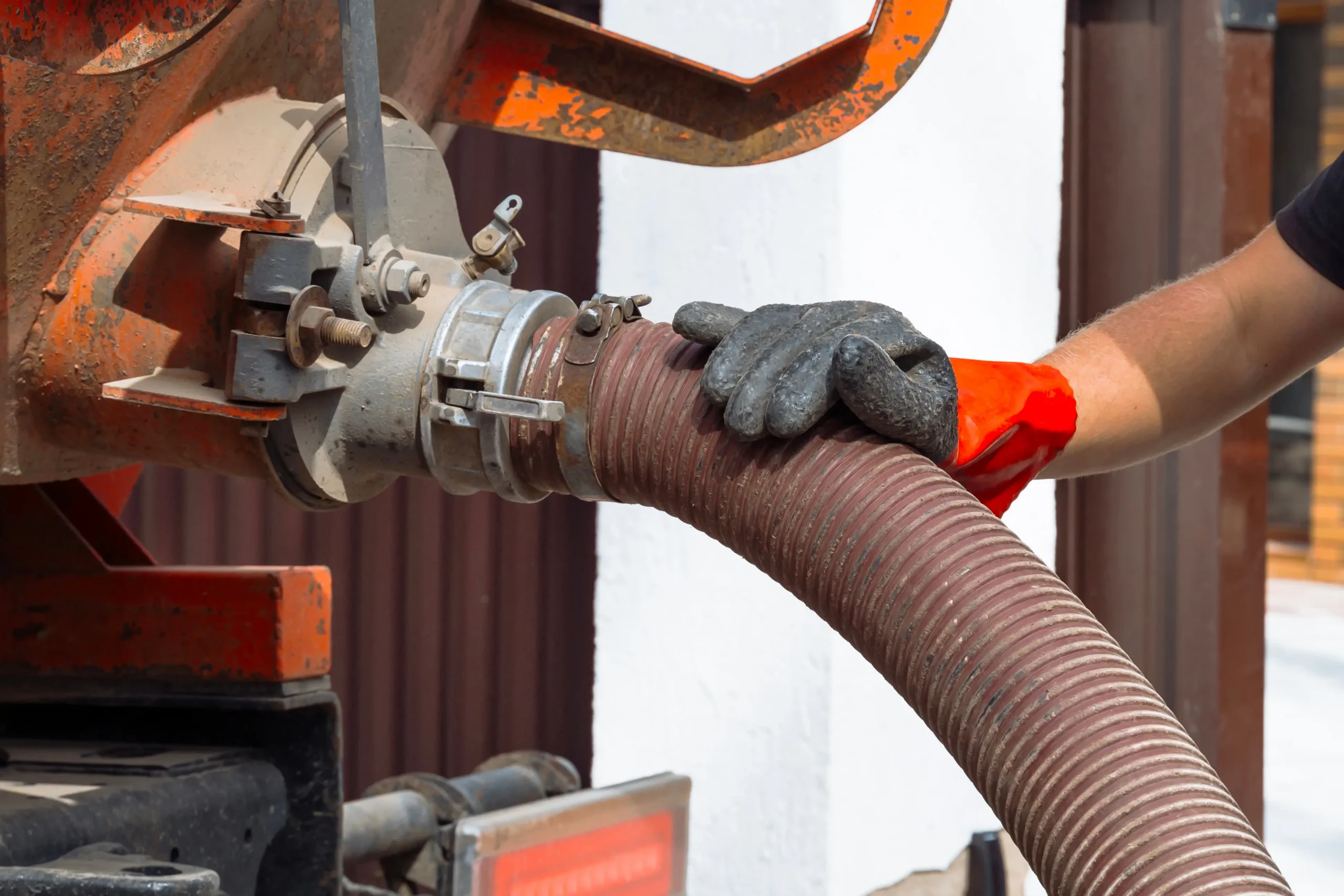
Lift stations are an essential tool that move wastewater from lower elevations to sewer lines or treatment systems when gravity flow alone is not possible. For homes and commercial properties such as apartment complexes, industrial facilities, restaurants, and other high-use sites, routine lift station pumping is crucial to prevent backups, protect equipment, and maintain proper wastewater flow.
Without regular pumping, grease, sludge, debris, and solids can build up and place unnecessary strain on pumps and system components. Over time, this buildup can contribute to equipment failures, odors, overflows, and costly emergency repairs.
Our lift station pumping services are designed to help homes and businesses keep their septic systems reliable.
What Is a Lift Station and Why Does It Need Pumping?
A lift station is a wastewater collection system that uses pumps to move sewage or wastewater from lower elevations to higher sewer lines or treatment infrastructure. These systems are used in areas where gravity drainage is not practical due to the nearby terrain or property layout.
While the pumps handle wastewater movement, solids and debris naturally accumulate inside over time. Routine pumping removes this buildup before it interferes with the system’s operations.
Without proper pumping maintenance, materials such as grease, sludge, wipes, sediment, and food waste can collect inside the station and reduce pump efficiency. In commercial environments with heavy wastewater usage, accumulation may happen much faster than many property owners expect.
Why Do You Need Routine Lift Station Pumping?
Commercial properties such as restaurants, apartment complexes, retail centers, and industrial facilities often place heavier demand on their septic systems, but residential lift stations can also develop serious problems when maintenance is neglected.
Consistent lift station pumping helps:
- Remove accumulated sludge, grease, and debris
- Reduce strain on pumps and mechanical components
- Prevent clogs, backups, and overflow events
- Minimize odors around the property
- Improve wastewater flow and overall system efficiency
- Extend the lifespan of the lift station system
- Reduce the risk of emergency service calls and costly repairs
In Washington, both residential and commercial wastewater systems are subject to local environmental and public health regulations regarding proper wastewater handling and system maintenance. Failing to maintain a lift station properly can contribute to sanitation issues, property damage, environmental contamination, and potential compliance concerns.
How Often Should a Lift Station Be Pumped?
There’s no universal pumping schedule that works for every lift station. Some systems may require service several times per year, while others can operate longer between appointments depending on daily usage and system design.
The frequency of pumping is typically influenced by:
- Daily wastewater volume
- Type of business or property
- Grease and solids production
- Size of the wet well
- Pump performance and condition
- Age of the system
- Presence of wipes, food waste, or debris
- Maintenance history
Restaurants and food service facilities, for example, often require more frequent pumping because grease and food solids accumulate quickly inside the station.
Rather than relying on a fixed timeline, regular inspections and monitoring are usually the best way to determine an appropriate pumping schedule. For additional commercial wastewater and pumping solutions, visit our commercial services page.
Signs Your Lift Station Needs Pumping
Lift stations often show warning signs before major failures occur. Identifying these issues early can help you avoid emergency downtime and more expensive repairs.
If these warning signs are ignored, solids can continue accumulating until the pumps become obstructed or damaged.
- Slow drainage throughout the property
- Strong sewage or wastewater odors
- Alarms activating on the lift station
- Unusual pump cycling patterns
- Standing water near the system
- Visible grease or debris buildup
- Gurgling sounds from drains or plumbing
- Frequent backups or overflow concerns
Signs Your Lift Station Pump May Need Repair
Not every lift station issue is caused by pumping needs alone. In some cases, the pump itself may be malfunctioning or nearing failure.
Signs that the pump may require professional repair include unusual noises, excessive vibration, intermittent operation, repeated alarm activations, or pumps that run continuously without effectively moving wastewater. Electrical problems, float switch failures, and worn out mechanical components can also impact performance.
In commercial settings, addressing repair concerns quickly is especially important to prevent larger operational disruptions.
What Happens if Lift Station Pumping Is Neglected?
Neglected lift stations can create serious operational and environmental problems for both residential and commercial properties. As the amount of sludge and grease increases, pumps are forced to work harder and may eventually fail altogether.
- Ignoring routine pumping maintenance may lead to:
- Wastewater backups inside the property
- Emergency service calls
- Damage to pumps and electrical components
- Increased odor complaints
- Overflow events and sanitation concerns
- Business interruptions or temporary closures
- Expensive repair or replacement costs
Emergency pumping may sometimes be necessary when systems become overloaded, but proactive maintenance is far more cost-effective than responding after a failure occurs.
Residential and Commercial Lift Station Pumping Services
Commercial lift stations require regular attention to remain reliable and compliant. Routine pumping helps remove solid buildup, protect pumps from excessive wear, and reduce the risk of disruptive wastewater problems.
Puget Sound Septic provides commercial lift station pumping services for homes and businesses throughout the Seattle area. Service plans can be tailored around your individual usage levels, system demands, and maintenance goals to help keep your wastewater systems operating efficiently.
If your property is experiencing lift station issues or needs to schedule a pumping service, speak with our team today.
Back to Commercial Septic Services