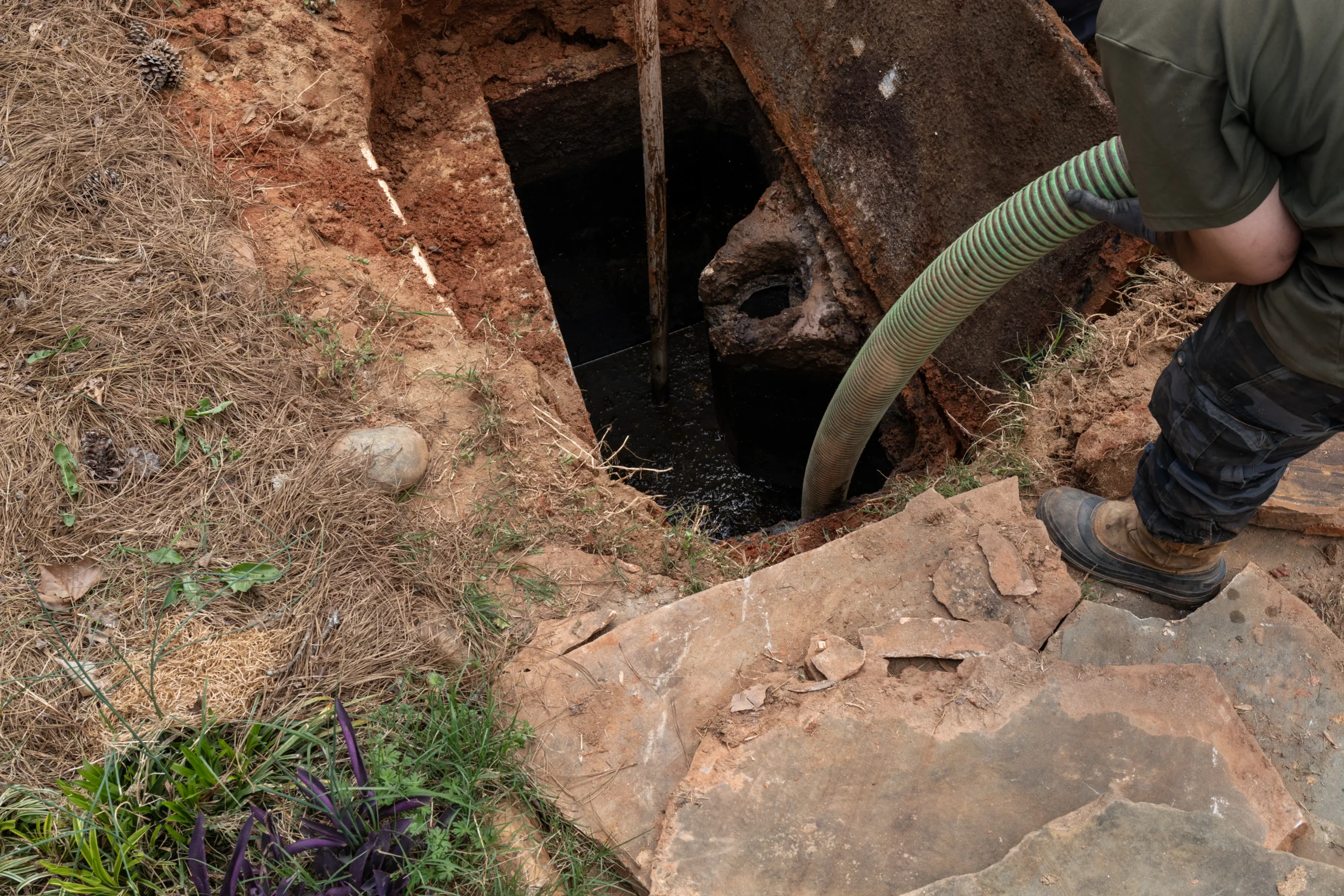
Commercial septic systems handle significantly higher amounts of wastewater than residential systems, so routine pumping and maintenance are extra important to keep all operations running smoothly. Restaurants, office buildings, retail centers, industrial facilities, and other commercial properties all rely on properly functioning septic systems to avoid downtime, health concerns, and expensive repairs.
At Puget Sound Septic, commercial septic pumping services are designed to support larger-capacity systems, help businesses stay compliant with local regulations, and reduce the chances of unexpected failures.
What’s the Difference Between Commercial and Residential Septic Pumping?
Commercial septic systems are built to accommodate heavier usage than residential systems. Because of this, commercial pumping often involves larger tanks, frequent services, and more complex inspections.
Commercial systems also tend to accumulate waste more quickly due to the higher daily water usage and occupancy levels. Grease, chemicals, cleaning products, and food waste can also place additional strain on the system, which makes proactive maintenance important.
Routine commercial pumping helps prevent backups, keeps wastewater flowing properly, and extends the lifespan of important system components.
Is Commercial Pumping Different from Lift Station Pumping and Sewer Bypass Pumping?
Yes. While these services are all related to wastewater management, they serve different purposes. Commercial septic pumping is specifically designed to maintain septic tanks and prevent system overloads for businesses.
- Commercial Septic Pumping: Focuses on removing accumulated solids, sludge, and wastewater from septic tanks to help the system function properly.
- Lift Station Pumping: Uses pumps to move wastewater from lower elevations to higher elevations when gravity flow alone is not possible. These systems require specialized maintenance and cleaning to keep pumps, floats, and controls operating correctly.
- Sewer Bypass Pumping: Temporarily redirects wastewater flow during repairs, maintenance, or emergencies. This service is commonly used for municipal systems, construction projects, or large-scale repairs where wastewater flow cannot be interrupted.
Potential Consequences of Not Pumping and Maintaining a Commercial Septic System
Failing to maintain a commercial septic system can create serious operational and financial problems. Small issues can quickly escalate into emergencies if sludge and solids are allowed to build up excessively.
Potential consequences include:
- Sewage backups inside the building
- Slow draining and recurring plumbing issues
- Unpleasant odors around the property
- Damage to drain fields and system components
- Temporary business closures
- Health and sanitation concerns
- Environmental contamination
- Expensive emergency repairs or system replacement
Because of these issues, routine pumping is far more cost-effective than dealing with a major system failure.
Choose Us for Your Septic Pumping Needs
Fill out our form and we'll be in touch!
What Affects How Often Your System Should be Pumped?
Unfortunately, there’s no universal pumping schedule for commercial septic systems. Deciding the right frequency for your business depends on several operational factors.
- Occupancy and Usage Levels: Properties with higher daily traffic typically require more frequent pumping due to higher levels of wastewater production.
- Type of Business: Restaurants, food processing facilities, and businesses that use large amounts of water or grease generally need services more often than standard office buildings.
- Tank Size: Larger septic tanks can hold more waste before requiring pumping, but even large systems still need regular maintenance.
- Wastewater Composition: Grease, chemicals, detergents, and non-biodegradable materials cause buildup to form and negatively impact septic system performance.
- Maintenance History: Systems that have received routine inspections and preventative maintenance often operate more efficiently and avoid severe buildup problems.
Inspecting your septic system regularly can help determine the right pumping schedule for your business and identify developing issues before they become emergencies.
Signs that Your Company Needs a Bigger Septic System
If you’re experiencing frequent septic issues, it could be a sign that your current system is too small for your business’s needs. Expansions or new equipment that increase water usage are common reasons for an older system to no longer be enough. Upgrading to a larger septic system can help improve its reliability and reduce long-term costs.
Keep an eye out for these common warning signs:
- Frequent backups or overflows
- Drains that remain consistently slow
- Standing water near the drain field
- Strong sewage odors around the property
- Needing pumping more frequently than normal expectations
How to Prevent Septic Tank Emergencies
Preventative maintenance is the best way to avoid septic system failures. Follow these steps to keep your business protected from septic tank issues:
- Routine Pumping: Keeping solids from accumulating helps maintain proper wastewater flow and reduces stress on the system.
- Consistent Inspections: Professional inspections can identify worn components, leaks, or developing issues before they lead to emergencies.
- Be Mindful of What Enters the System: Avoid introducing grease, chemicals, wipes, paper towels, and other non-flushable materials into the septic system.
- Monitor Water Usage: Excessive water usage can overload the system and reduce its ability to process wastewater effectively.
- Address Problems Early: If you notice slow drains, odors, pooling water, or unusual system behavior, schedule a service promptly instead of waiting for it to worsen.
- Be Prepared for An Issue: If your business experiences a sudden issue, have a plan in place to schedule an emergency pumping service.
Reach Out Today to Get Your Septic System Pumped by Experts
Commercial septic systems require specialized care to stay efficient, compliant, and dependable. Whether your business needs routine pumping, preventative maintenance, or help evaluating your system’s capacity, the experienced team at Puget Sound Septic can help.
Contact us today to protect your property, reduce the risk of emergencies, and keep your business operating without interruption.