
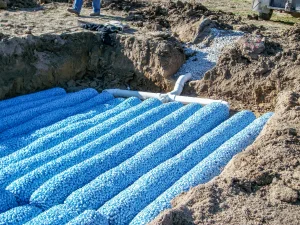
Your drain field is buried underground, out of sight, doing its job quietly. Until it isn’t. When problems show up, they can feel overwhelming. But not every drain field issue means you need a complete leach field replacement. Many problems can be fixed with the right repairs, saving you thousands of dollars and a lot of stress.
That puddle in your backyard isn’t going away. The smell near your septic area is getting worse. Your drains are slow, and you’re starting to worry. Is this something a simple repair can fix? Or are you looking at a full septic drain field replacement? These are the questions that keep homeowners up at night. And we get it.
At Puget Sound Septic, we’ve spent years helping King County WA homeowners figure out exactly what their systems need. We’ve seen drain fields that looked hopeless come back to life with the right treatment. We’ve also seen what happens when people wait too long, and a repair turns into a full septic field replacement.
Most Common Drain Field Problems
Biomat Buildup
Over time, a layer of bacteria and organic material called a biomat forms along the bottom and sides of your drain field trenches. A thin biomat actually aids in the treatment process. But when solids escape your septic tank and reach the drain field, the biomat grows too thick. It becomes a barrier that stops effluent from soaking into the soil. Water backs up, and your drain field starts to fail.
Biomat issues can often be treated without a full replacement, especially if you catch them early.
Pipe Damage or Collapse
The pipes in your drain field can crack, shift, or collapse over time. This happens for several reasons: tree roots seeking moisture can grow into the pipes and break them apart, heavy vehicles driving over the drain field area can crush pipes and compact the soil, and even settling ground can cause pipes to shift out of alignment.
When pipes are damaged, effluent can’t distribute evenly across the field. Some areas get flooded while others stay dry. Depending on the extent of the damage, this might require replacing just the damaged sections or could indicate a need for more extensive drain field replacement or repair.
Soil Compaction & Saturation
Your drain field needs loose, well-aerated soil to work properly. When soil gets compacted (from vehicles, heavy equipment, or even constant foot traffic), it can’t absorb effluent effectively. Similarly, if your drain field area receives too much water from roof runoff, landscaping irrigation, or a high water table, the soil becomes saturated and can’t handle any more liquid.
Compaction and saturation issues sometimes improve with rest and aeration. Other times, they signal that the drain field location itself is problematic, which could point toward eventual septic drain field replacement.
Hydraulic Overload
Every drain field is designed to handle a specific amount of wastewater based on your home’s size and the soil conditions. If you’re sending more water to the system than it can process (from multiple loads of laundry in one day, a leaky toilet, or a house full of guests), the field gets overwhelmed.
Short-term overloads usually resolve on their own once water usage returns to normal. But repeated overloading can cause permanent damage that leads to the need for drain field repair or replacement.
System Age
Nothing lasts forever, including drain fields. A well-maintained system can last 25 to 30 years or more. But as components age, they become more prone to failure. Older systems may have been designed to different standards or installed with materials that don’t hold up as well over time.
If your drain field is approaching the end of its expected lifespan and showing signs of trouble, you may need to start thinking about leach field replacement rather than continued repairs.
Signs That You Need a Replacement
- Standing Water: This usually means the soil itself has become so clogged with solids and biomat that it can no longer absorb liquid.
- Indoor Sewage Backup: While this can sometimes stem from a tank issue, it often means the entire drain field has failed and effluent has nowhere to go. At this point, even the best repair techniques may not be enough.
- Constant Failure After Repairs: Continuing to patch a system that’s fundamentally failed just delays the inevitable and can lead to environmental contamination and health hazards.
- Advanced Age: If your drain field is 25 or 30 years old and experiencing significant problems, investing heavily in repairs may not make financial sense compared to planning for septic field replacement.
Signs That You Need a Repair
When drain field problems are caught early, repair is usually an option.
- If you’re noticing slow drains inside your home (but the water is still moving), that’s often a sign of a developing issue rather than complete failure.
- Occasional odors near the drain field area (especially during hot weather or after heavy use) might indicate that the system is stressed but not yet failed.
- If only one section of your drain field shows signs of trouble (like a single wet spot in the yard or one area of unusually green grass), you might be dealing with a damaged pipe section or a clog that can be cleared.
We often find that issues homeowners assume require drain field replacement or repair on a massive scale can actually be resolved with targeted treatments.
Hydro-jetting can clear sludge and debris from clogged lines. Replacing a crushed section of pipe can restore proper flow. Adding venting can help saturated soil dry out and recover its ability to absorb effluent.
Choose Us for Your Septic Pumping Needs
Fill out our form and we'll be in touch!
Costs of Repair vs. Replacement
The cost of drain field repairs varies widely depending on what’s wrong and how extensive the damage is.
Minor repairs (like clearing a localized clog or replacing a short section of damaged pipe) might cost a few hundred to a couple thousand dollars. More involved repairs that require excavation, replacing larger sections of pipe, or treating widespread biomat issues will cost more.
In and around King County WA, you can expect a septic drain field replacement to cost in the tens of thousands of dollars depending on the size of the system, soil conditions, permitting requirements, and site accessibility.
At Puget Sound Septic, we always provide a clear assessment of what we find and explain your options before any work begins. We believe you deserve to understand exactly what you’re paying for and why.
What You Can Try Before Calling an Expert
There are a few steps you can safely take if you’re noticing early warning signs of drain field trouble:
- Reduce your water usage. Spread out laundry loads over several days. Fix any leaky faucets or running toilets. Take shorter showers. This reduces the hydraulic load on your system and gives saturated soil a chance to dry out.
- Check your septic tank levels. A high level suggests effluent isn’t draining into the field properly. However, this is a diagnostic step, not a fix. If levels are high, you need professional help.
- Protect the drain field area. Make sure no vehicles, heavy equipment, or structures are on or near the drain field. Divert any surface water runoff from gutters or landscaping away from the area.
- Consider a septic tank pumping. If your tank is overdue for pumping, schedule one. Removing accumulated solids from the tank prevents them from flowing into the drain field and causing further damage.
If these steps don’t improve the situation (or if you’re seeing serious warning signs like standing water, sewage odors, or backups), it’s time to call a professional. Waiting longer will only make the problem worse and more expensive to fix.
When to Call a Professional
Some situations clearly call for immediate professional attention. Don’t wait if you’re experiencing any of the following:
- Sewage backing up into your home is an emergency. This creates immediate health hazards and indicates a serious system failure.
- Standing water over your drain field when it hasn’t rained means effluent is surfacing instead of soaking into the ground. This exposes your family, pets, and the environment to untreated wastewater.
- Strong sewage odors in your yard that persist day after day suggest your drain field is failing to properly treat and disperse wastewater.
- Multiple drains in your home that are slow, gurgling, or making strange sounds indicate a systemic problem rather than a simple clog in one fixture.
At Puget Sound Septic, we treat drain field issues as emergencies because we know how quickly they can escalate. We prioritize these calls and commit to responding within 24 hours for overnight emergencies. Our goal is to save your system before a total septic field replacement becomes your only option.
Don’t Let a Drain Field Problem Become a Disaster
A failing drain field is stressful, but it doesn’t have to be a financial catastrophe. Many problems that seem overwhelming can be resolved with targeted, professional repairs if you act quickly. If you’re seeing the warning signs (slow drains, wet spots, odors, unusually green grass), the time to act is now.
Call Puget Sound Septic today for expert drain field repair services in King County WA. Our team will diagnose your problem, explain your options, and help you protect your home and your budget.