24 hour Emergency Service
Se habla español

Sewer Line Repairs & Replacement

Serving King County WA

Looking for House-to-Take Pipe Repair Services?
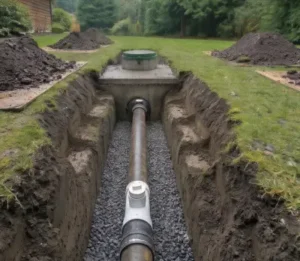
trench outside King County WA home dug for septic home to tank line replacement serviceWhen drains back up or toilets refuse to clear, the problem often sits directly between your foundation and your septic tank: a damaged house-to-tank sewer pipe. On a private septic system, this primary line carries every gallon of household wastewater out to your buried tank for treatment. When Pacific Northwest tree roots, shifting glacial soils, or age-related fractures compromise this critical run, untreated sewage can quickly back up into your home or contaminate your yard.

For fast, code-compliant septic sewer line replacement in King County WA and across King County, WA, Puget Sound Septic provides the diagnostic video tools, excavation equipment, and local expertise to restore your drainage permanently. Call now for emergency septic line repair or to schedule a camera inspection.

What Is a Septic Sewer Line?

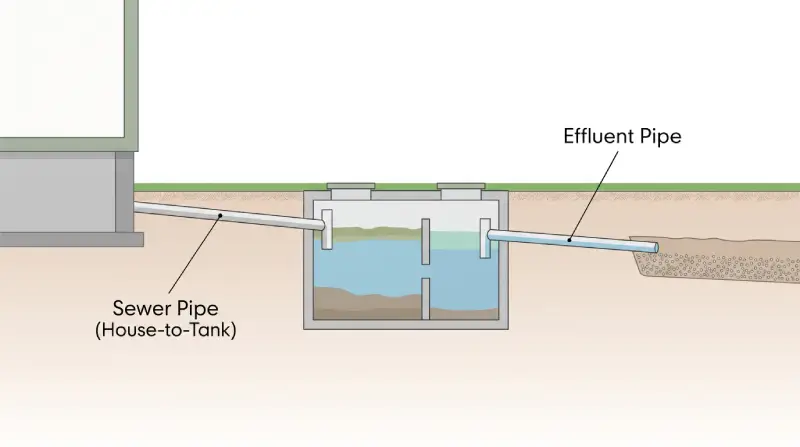
In a residential septic system, the main sewer line—also called the house-to-tank pipe or main waste line—is the single underground artery connecting your interior plumbing to your septic tank.

Understanding this distinction prevents costly misdiagnoses:

  • Indoor Fixture Drains: Sinks, showers, and toilets direct wastewater into interior drainage stacks inside your walls and floors.
  • The House-to-Tank Sewer Line: These interior pipes converge into a single 4-inch line that exits your foundation, sloping downward to carry unsorted, raw solid and liquid waste directly into the septic tank’s primary compartment.
  • The Effluent Transport Line: Once solids settle inside the tank, clarified liquid (effluent) exits through the outlet baffle into a separate transport line heading to the drainfield.

Because all indoor fixtures depend on this single exterior pipe to reach the tank, a break or collapse halts drainage across the entire house.

Pipe / Component

Exact Location

Primary Function

Contents Carried

Indoor Plumbing Drains

Inside interior walls, ceilings, and under subfloors

Collects wastewater from individual fixtures

Raw graywater and blackwater

Septic Sewer Line (House-to-Tank)

Buried between the home’s foundation and the septic tank

Transports raw waste directly into the septic tank

Raw sewage, grease, and solids

Effluent Transport Line

Buried between the septic tank outlet and the drainfield

Directs clarified wastewater to the dispersal area

Clarified effluent (free of heavy solids)

graphic showing septic sewer pipe location relative to house, tank, and effluent pipe

Signs You Need Septic Sewer Line Repair or Replacement

Because the house-to-tank line is buried beneath lawns, driveways, or patios, structural failures show up through indoor plumbing behavior and outdoor surface warnings:

  • Simultaneous Multi-Fixture Backups: Using the washing machine forces water into ground-floor shower basins, or flushing a toilet causes bathtubs to gurgle and fill.
  • Persistent Gurgling Sounds: Trapped air escaping past an underground obstruction creates audible bubbling in toilet bowls and low-lying drains.
  • Soggy, Foul Patches in the Yard: Fractured pipes allow untreated sewage to saturate the ground before reaching the tank, creating bright-green strips of grass or spongy depressions along the pipe trench.
  • Persistent Sewer Gas Odors: Escaping sewage gases seep through soil and penetrate crawl spaces, basements, or ground-level foundation vents.
  • Chronic Clogs That Resist Snaking: If mechanical augers and drain cleanings only provide temporary relief, the pipe wall may be crushed, bellied (sagging), or infiltrated by Douglas fir, cedar, or maple roots.
  • Soil Subsidence or Sinkholes: Escaping wastewater washes away supporting soil and gravel bedding, causing visible dips or sinkholes along the pipe route.

How Septic Sewer Lines Are Replaced

When an underground waste line suffers severe root intrusion, pipe collapse, or negative pitch, spot repairs rarely hold up over time. Restoring proper gravity flow requires replacing the damaged run with durable Schedule 40 PVC through dedicated open-trench excavation.

Open-trench excavation is the definitive, industry-standard approach for septic waste lines. Using mini-excavators or targeted hand-digging, technicians expose the full pipe run from the exterior foundation wall to the septic tank inlet.

  • Complete Bedding Inspection: Digging out the trench allows our crew to clear out loose dirt, pull out invasive root systems, and inspect the underlying soil bed for voids or shifting.
  • Laser-Guided Grading: Septic waste lines rely exclusively on gravity. Exposing the entire trench allows technicians to establish and verify an exact slope (typically a 1/4-inch drop per foot) from the house to the tank, eliminating low spots (bellies) where solids collect.
  • Stable Aggregate Foundation: We bed the new Schedule 40 PVC pipe in washed gravel to lock in the proper pitch, prevent settling, and shield the line against ground movement before carefully backfilling and tamping the soil.

We Repair and Replace Effluent Pipes Too

A home’s septic transport network does not stop at the septic tank. The effluent pipe—which connects the outlet side of the tank to the distribution box and drainfield—is equally critical.

Problems present differently depending on which line has sustained damage:

  • Septic Sewer Line Failures: Cause immediate fixture backups indoors, foul odors near the house, and sewage pooling between the foundation and the tank.
  • Effluent Line Failures: Rarely cause instant indoor plumbing backups. Instead, treated liquid pools near the tank outlet or along the path to the drainfield. If this pipe collapses, the tank cannot discharge, leading to high water levels that submerge internal baffles.

Whether the failure sits on the incoming or outgoing side of your septic tank, Puget Sound Septic provides full diagnostic camera inspections, targeted excavation, and structural pipe replacement for both lines.

Why Choose Puget Sound Septic?

Replacing underground septic lines requires rigorous adherence to local public health rules, precise grading, and respect for your property:

  • Precision Workmanship: We laser-level every replacement pipe to verify gravity flow, bed the line properly to prevent future sags, and seal tank inlet penetrations watertight.
  • Permitting & Code Compliance: Underground septic repairs must satisfy King County environmental regulations. We pull the necessary health department permits to keep your property fully compliant and protect native groundwater.
  • Rapid Emergency Mobilization: A failed house-to-tank pipe halts all indoor water use. We offer prompt emergency diagnostics and replacement scheduling to get your home operational without delay.
  • Experienced Local Technicians: Our crews work daily in wet Pacific Northwest ground conditions, navigating regional soil shifts, steep grades, and heavy root zones efficiently.

Septic Sewer Line Replacement FAQs

Having an experienced, certified team on-site takes the stress out of major excavation, but unexpected line failures naturally come with immediate questions about daily living, costs, and project logistics. Below, we address the most common concerns homeowners face when planning a septic sewer line replacement.

Does homeowners insurance cover septic sewer line replacement?

Standard home insurance policies usually exclude gradual wear, root damage, and ground settling. However, coverage may apply under specific provisions:

  • Service Line Endorsement: An optional buried-utility rider that covers excavation and replacement costs when underground utility lines crack or collapse.
  • Water Backup Rider: Pays for interior cleanup and water damage if raw sewage backs up into your home, though it typically does not cover replacing the exterior pipe itself.
  • Sudden Accidental Damage: Third-party excavation strikes or sudden, unforeseen physical impacts may be covered under standard property damage.

No. Household water use must stop once the damaged pipe is disconnected from the foundation and the septic tank. Any water sent down drains during excavation will dump directly into the open trench. Our crews communicate work windows clearly and aim to have temporary or permanent flow restored by the end of the primary workday.

We use a structured diagnostic procedure to prevent utility strikes and avoid unnecessary digging:

  1. 811 Public Locates: Technicians coordinate public utility markings for buried power, gas, and communications lines.
  2. Sonde Video Inspection: A sewer camera with an onboard electromagnetic transmitter (sonde) is pushed through the pipe via an exterior cleanout or interior access point.
  3. Surface Tracking: A receiver wand on the surface pinpoints the camera’s location, heading, and subterranean depth down to the inch.
  4. County As-Built Records: We verify diagnostic findings against your property’s historical septic design records on file with the county health department.

Schedule 40 PVC delivers a service life of 50 to 100 years. Unlike older cast iron, clay tile, or Orangeburg piping, PVC does not rust, corrode from acidic sewer gases, or flake internally. Its solvent-welded joints create watertight barriers that block roots, while its smooth interior prevents grease and solid buildup.

Yes. A broken septic sewer pipe leaks untreated sewage into shallow soil. In Western Washington’s porous gravel and sandy soils, bacteria like E. coli, viruses, and nitrates can migrate rapidly. Washington State and local health regulations enforce strict separation distances (typically 50 to 100 feet depending on pipe materials) between sewer lines and private wellheads to safeguard drinking water supplies.

In many cases, yes. If the pipe failure sits at the inlet baffle or tank collar, lowering the tank’s liquid level below the inlet opening is necessary so technicians can seal the new connection watertight without sewage flowing into the work area. Pumping also allows technicians to inspect the interior inlet baffle for structural damage before reconnecting the pipe.

A standard residential septic sewer line replacement typically takes one to two days to complete from initial excavation to final backfill.

  • The Excavation and Pipe Laying Window (Day 1): The primary water shut-off occurs while the old pipe is excavated, removed, and the new Schedule 40 PVC line is laid and graded. For most straightforward runs (under 50–75 feet with standard burial depth), our crews complete the connection and establish temporary or permanent wastewater drainage by the end of the first workday, minimizing indoor disruption.
  • Inspections and Final Backfill (Day 1–2): Depending on local permitting requirements, King County Public Health or local code officials may require an open-trench visual inspection before the pipe can be covered. Once approved, the trench is bedded in aggregate, backfilled, and rough-graded to match your yard’s natural contours.
  • Timeline Variables: Complex site conditions—such as deep excavations exceeding six feet, crossing underground utility corridors, clearing dense tree root systems, or trenching through rock or hardpan—can extend the total project timeline into a second full day.

Emergency Septic Sewer Line Services in King County

Leaving a failing house-to-tank pipe unaddressed leads to indoor sewage contamination, saturated yards, and expensive foundation washouts. Puget Sound Septic delivers fast diagnostics and lasting Schedule 40 PVC replacements engineered for King County ground conditions.