
When temperatures drop across King County WA, your septic system faces some unique challenges. Frozen pipes, backed-up drains, and expensive emergency repairs are problems no homeowner wants to deal with in the middle of winter.
With proper septic system winterization, you can avoid these headaches and keep your system running smoothly all season long. Think of septic winterization as an insurance policy against the cold. One that’s far cheaper than dealing with an emergency repair in January.
A frozen septic system can result in repairs costing thousands of dollars. When the ground freezes, any water sitting in your pipes or tank can freeze, too. This can lead to cracked pipes, blocked drain lines, and sewage backing up into your home.
Septic System Winterization Tips
Schedule Your Septic Tank Pumping Before Winter
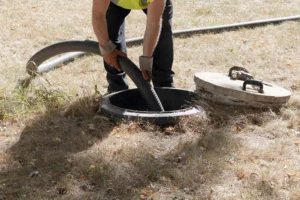
One of the smartest things you can do before winter arrives is to have your septic tank pumped in the fall. When sludge builds up in your tank, it reduces the space available for wastewater.
During winter, when the system is working harder to process waste in colder conditions, an overfilled tank is more likely to cause problems. Backups, slow drains, and even system failures become much more likely.
Insulate Exposed Pipes and Components
Any pipes or system components that are exposed to the elements are at risk of freezing, and frozen pipes can crack or burst. This leads to expensive repairs.
- Start by checking all exposed pipes connected to your septic system. This includes pipes running from your house to the tank, as well as any pipes in unheated areas like crawl spaces or basements.
- Cover these pipes with foam insulation, heat tape, or insulating blankets to keep them at a stable temperature.
- If your tank has risers or lids that sit above ground, these can freeze shut during cold weather. Riser covers or insulating blankets designed for septic tanks can prevent this problem and make it easier to access your tank if needed.
- For pipes that are buried but sit close to the surface, adding more soil cover can provide additional protection. The goal is to create a barrier between the cold air and your system components.
Protect Your Drain Field
The soil in your drain field processes the wastewater that leaves your tank, and it can’t do its job effectively if it’s frozen solid or compacted.
First and foremost, keep all traffic off your drain field. Cars, trucks, construction equipment, and even regular foot traffic can compact the soil. When soil is compacted, frost penetrates deeper and faster, increasing the risk of freezing.
During winter, be especially careful about the area between your house and your septic tank. Snow compacted by walking paths can cause the ground beneath to freeze more deeply than surrounding areas.
Use Natural Insulation to Your Advantage
One of the easiest methods is to let the grass over your septic system and drain field grow a bit longer in the fall. That extra length acts as a natural blanket, helping to trap heat in the soil below.
You can also add a thick layer of mulch (about eight to twelve inches) over your pipes, tank, and drain field. Straw, hay, leaves, or other loose organic materials work great for this purpose. The key is to use materials that won’t compact down, as compacted materials lose their insulating properties.
One important note: if your system is already frozen, don’t add mulch. It will actually delay thawing in the spring and prolong your problems.
Keep Your System Active During Winter
A septic system that’s used regularly is far less likely to freeze than one that sits idle. Flowing water generates heat and keeps things moving through your pipes and tank.
During winter months, make sure you’re using your plumbing on a regular basis. Also:
- Run warm or hot water through your drains daily.
- Spread out your laundry schedule so you’re doing at least one warm or hot load each day.
- Take hot baths or showers.
- Run your dishwasher regularly.
Check for Leaks Throughout Your Plumbing
Leaky fixtures might seem like a minor annoyance, but they become a real problem in winter. Small trickles of water in your pipes are more likely to freeze than larger volumes of flowing water. That dripping faucet or running toilet can lead to ice buildup that eventually blocks your pipes completely.
Before winter arrives, walk through your home and check every plumbing fixture connected to your septic system. Look for dripping faucets, toilets that run after flushing, and any signs of moisture around pipes.
Choose Us for Your Septic Pumping Needs
Fill out our form and we'll be in touch!
How to Prepare for Extended Time Away From Home
If you’ll be gone for more than a few days during cold weather, you have a couple of options. First, you could have someone come to your home regularly to run warm water through the plumbing. This doesn’t have to be complicated, even running hot water in the sinks and flushing toilets a few times can help.
Alternatively, consider having your tank pumped before you leave and draining the pipes in your system. This removes the water that could freeze in your absence. While this requires more preparation, it’s worth the peace of mind for longer trips.
Whatever you do, don’t just leave your home without making a plan for your septic system. Coming home to a frozen or backed-up system is not the welcome back anyone wants.
What to Do If Your Septic System Freezes
Despite your best efforts at septic winterization, sometimes systems do freeze. If this happens to you, the most important thing is to call a septic service professional immediately. Trying to fix a frozen septic system yourself can make things much worse.
Never use an open flame to try to thaw frozen pipes or components. This is extremely dangerous and can cause fires or damage to your system. Similarly, don’t pour salt or chemical deicers into your system. These can kill the beneficial bacteria that break down waste in your tank, leading to even bigger problems.
Also, resist the temptation to use automotive antifreeze or other chemicals to prevent freezing. These products are harmful to the microbes in your tank that are essential for processing waste. Once those microbes are killed off, your system won’t function properly until they’re restored.
Experienced septic professionals have specialized equipment and techniques for safely thawing frozen systems. They can identify exactly where the freeze occurred and address it without causing additional damage.
Protect Your System This Winter
By taking the time to prepare your septic system for winter, you’re avoiding the hassle, expense, and stress that come with frozen pipes, backups, and emergency repairs.
Start with a fall pumping if your tank is due, insulate all exposed components, keep your system active with regular warm water usage, and stay alert for any signs of trouble. If you’re planning time away from home, make arrangements to keep water flowing or drain the system before you leave. Most importantly, don’t hesitate to reach out to septic professionals if you have questions or concerns.
We’re here to help King County WA homeowners keep their septic systems running smoothly. Not just in winter, but all year long.
Ready to winterize your septic system? Contact us today to schedule a fall pumping, maintenance inspection, or to discuss any concerns about your system’s readiness for the cold months ahead.