
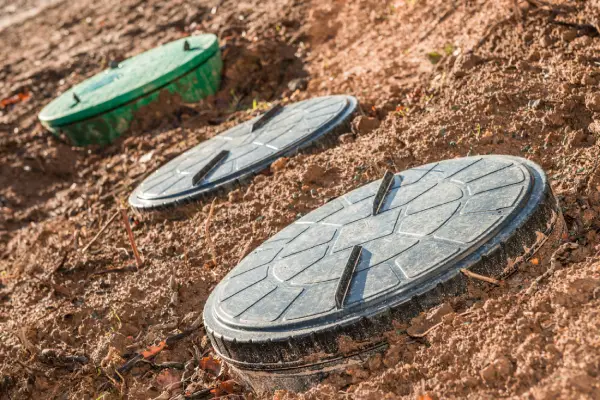
A sand filter septic system is an elegantly simple wastewater treatment system that mimics the earth’s own purification process. While this kind of system isn’t necessary for most properties, it’s an excellent solution for specific types of properties, especially small lots and properties with poor soil conditions or a high water table.
When a standard septic system isn’t an option for your property, choosing the right kind can get confusing. If you’re researching sand filter systems, it’s likely because you’re trying to solve a specific challenge with your property — and wondering if this type of system is the right answer.
We’re not here to sell you on a sand filter system. Our goal is to provide the information to help you decide if it’s right for you. We’ll break down its functionality, areas where it excels, and how to maintain one.
This way, you’ll have the clear, straightforward facts to make the best choice for your home.
How Does a Sand Filter Septic System Work?
At its core, a sand filter operates on a principle we see in nature every day: water becomes cleaner as it percolates through layers of sand and soil. Sand filter septic systems are engineered to harness this natural process in a controlled, efficient way.
Here’s how it processes your home’s wastewater:
- Pre-Treatment in the Septic Tank: Just like any system, wastewater first flows into a standard septic tank. Here, heavy solids settle to the bottom as sludge and lighter materials float to the top as scum, protecting the rest of the system.
- The Pump Chamber: The liquid waste, or effluent, then flows from the septic tank into a second compartment called a pump chamber. A pump inside this chamber is set on a timer to deliver small, controlled doses of effluent to the sand filter. This prevents the filter from getting waterlogged and allows it to “breathe” between doses.
- The Living Filter Bed: The dosed effluent is evenly distributed over the surface of a large, lined bed of specifically graded sand. This is where the magic happens. As the water begins to seep down, a “biologically active layer” forms in the top few inches of sand. This biomat is a thriving ecosystem of beneficial microorganisms that consume organic matter and pathogens, effectively scrubbing the water clean as it passes through.
- Collection & Dispersal: After its slow journey through the sand, the now highly purified water is collected by a network of pipes at the bottom of the filter. This treated effluent is clean enough to be safely released into a smaller, more compact drainfield, making it an ideal solution for properties with limited space.
Choose Us for Your Septic Pumping Needs
Fill out our form and we'll be in touch!
How Is a Sand Filter Different Than Other Types of Septic Systems?
A sand filter occupies a unique middle ground between a simple conventional system and a complex mechanical one. Here’s how it compares:
- Cost & Maintenance: Sand filters have a higher initial installation cost than conventional systems. They require professional maintenance to check the pump and ensure the sand surface isn’t clogging.
- Treatment Process: Sand filters use a semi-passive biological and physical process. This is more advanced than the simple anaerobic breakdown in a conventional tank but less mechanically complex than the forced-air aeration of an ATU.
- Better Effluent Quality: The water leaving a sand filter is significantly cleaner and safer than effluent from a conventional system. This high quality of treatment is its primary purpose.
- Mechanical Components: A sand filter has one key mechanical part: a pump that requires electricity to dose the filter bed. A conventional gravity-fed system has no moving parts and uses no electricity.
- Smaller Footprint: While the sand filter itself takes up a dedicated space, the final drainfield can be much smaller than a conventional one, which is a major advantage on smaller lots.
When Should You Consider a Sand Filter System?
While sand filters are powerful, they aren’t necessary for every home. For a property with ideal soil and plenty of space, a conventional system is often sufficient. But a sand filter becomes the go-to choice when facing specific site challenges.
You may want to consider a sand filter system in these situations:
- Poor Soil Conditions: Your property has dense clay, silt, or other soil types that don’t absorb water well (a failed “perc test”).
- Small Lot Size: There isn’t enough usable space on your property to install the large drainfield required for a conventional system.
- High Water Table or Shallow Bedrock: The groundwater level is too close to the surface, or there is rock near the surface, making a traditional drainfield unsafe or impossible to install.
- Proximity to Sensitive Waterways: Your home is near a lake, river, or wetland, and local health codes require a higher level of wastewater treatment to protect the environment.
- Replacing a Failing System: A sand filter is often a perfect solution for replacing a failed conventional system on a property with these kinds of site limitations.
Pros and Cons of Sand Filter Septic Systems
To make a confident decision, it helps to see the benefits and considerations side-by-side.
Key Benefits
- Superior Wastewater Treatment: Provides a very high level of wastewater treatment using a reliable and natural process.
- Environmental Protection: It’s a responsible choice for protecting nearby wells, streams, and groundwater from contamination.
- Solves Site Problems: An excellent solution for lots with “problem” soil, a high water table, or limited space.
- High Reliability: With only one primary moving part (the pump), these systems are known for their long-term reliability and consistent performance.
- Smaller Drainfield: Requires a significantly smaller land area for the final drainfield, preserving more of your yard.
Potential Drawbacks
- Higher Upfront Cost: The construction of the filter bed and the addition of a pump chamber make it more expensive to install than a conventional system.
- Electricity Use: The pump requires electricity to run, which will add a small, continuous amount to your monthly electric bill.
- Space Requirement: The sand filter itself (often a large, rectangular bed) requires a dedicated, level area on your property.
- Requires Professional Maintenance: It requires professional maintenance and routine check-ups to inspect the pump and the health of the sand bed.
Sand Filter System Maintenance
Proper maintenance is key to the longevity of a sand filter system. It’s more than just pumping the tank; it’s a tune-up to ensure your system continues to perform well. This preventative care is critical for protecting your investment and ensuring the system functions reliably for decades.
A service visit from a qualified technician should include:
- Inspecting the pump, floats, and alarm systems.
- Testing the pump to ensure it is delivering the correct dose of effluent.
- Checking the surface of the sand bed for any signs of crusting or ponding.
- Verifying that the system is draining correctly and producing clear effluent.
Services for Sand Filter Septic Systems in King County, WA
While there are many types of septic systems to choose from, a sand filter system is an excellent option for many properties. While it’s a significant investment in your property’s health and value, and its installation and maintenance demand specialized expertise, you’ll find that the benefits and excellent performance are worth it.
Whether you need to determine if a sand filter is the right choice for your land, require a comprehensive septic inspection for a home with an existing system, or have questions about different types of septic systems, we have the answers.
Call Puget Sound Septic today or contact us online to schedule, or if you just have questions. We’re here to provide the expert service your system deserves!
Back to Common Types of Septic Systems and How They Work