
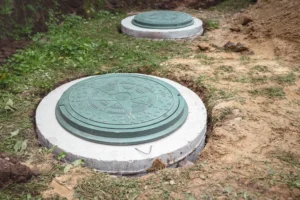
Managing sewage for your property can feel overwhelming, especially when traditional city sewer isn’t available. A cluster septic system might be the perfect answer you’re looking for. With this system, your home’s wastewater flows through pipes to a shared treatment facility instead of an individual one.
These systems work great for small neighborhoods, mobile home parks, or developments where homes sit close together. The shared approach means you need less land per home for wastewater treatment, opening up more options for property development.
At Puget Sound Septic, we specialize in making these shared systems easy to maintain, especially with our expert inspections. So let’s take the mystery out of cluster systems and show you how they can solve your wastewater challenges.
What are cluster septic systems and how do they work?
Think of a cluster septic system as a neighborhood team effort for handling wastewater. Instead of each home having its own septic tank and drain field, several homes share a larger, centralized system.
Here’s the simple breakdown:
- Waste from your home travels to a community collection tank.
- From there, it moves to a treatment area that’s bigger and more efficient than what a single home could have.
- The treated water then goes into a shared drain field, where nature finishes the cleaning process.
It’s like carpooling, but for your wastewater. Everyone shares the ride, making it more efficient and cost-effective.
How Cluster Systems Differ from Other Septic Systems
Traditional septic systems serve just one home. Each property needs enough space for a tank and drain field, which can be challenging on smaller lots or difficult terrain. City sewer systems connect everyone to a large municipal treatment plant, but they’re not always available in rural areas.
Cluster systems sit right in the middle. They’re perfect when you have too many homes for individual septics, but not enough to justify extending city sewer lines.
Benefits
Living with a cluster system brings peace of mind in ways you might not expect:
- First, you’ll save money on installation since the cost gets divided among all users. Instead of paying $15,000-30,000 for your own system, you might pay just a fraction of that as part of a group.
- Professional management is another huge advantage. Rather than worrying about maintaining your own system, usually trained experts handle everything. This means fewer emergency repairs and more consistent performance.
- The larger treatment area also handles waste better than smaller individual systems, especially during heavy use periods like holidays when you have extra guests.
- Your property value benefits too. Homes on well-maintained cluster systems often sell more easily than those with aging individual septics. Buyers appreciate knowing the wastewater system is professionally managed and less likely to fail.
Choose Us for Your Septic Pumping Needs
Fill out our form and we'll be in touch!
Potential Challenges
- Being part of a cluster system means working with your neighbors. Everyone needs to agree on maintenance schedules and share costs fairly. Sometimes this requires patience and compromise, but good management companies help smooth out these discussions.
- You’ll also have less direct control over the system. While this usually means less worry for you, it can feel strange not being able to schedule pumping or repairs on your own timeline. The key is finding a reliable management company that responds quickly to concerns and maintains clear communication with all users.
- Monthly or annual fees are another consideration. While these costs typically stay lower than maintaining your own system, they’re ongoing expenses you’ll need to budget for. Think of it like paying for garbage service, a regular bill that prevents much bigger problems.
Cluster System Maintenance
Professional maintenance keeps your cluster system running smoothly year after year. Professionals handle all pumping schedules based on actual usage, not just calendar dates, which means more efficient service.
You will need to have regular inspections performed (usually every six months) to have your pumps, alarms, and treatment components checked.
Your role stays simple:
- Avoid flushing harmful items like wipes, grease, or chemicals.
- Report any unusual odors or wet spots to the management company right away.
- Most importantly, pay your share of fees on time to keep the maintenance program running smoothly.
How Inspections With Puget Sound Septic Work
Regular inspections help catch problems before they become expensive repairs. We make the inspection process simple and easy to understand. Whether you need a routine inspection or one for a property sale, we make sure everything meets local requirements.
A Puget Sound Septic team member will meet with you to explain what we’ll check and answer any questions. Our team handles all the paperwork and follows local health department rules.
Take the Next Steps Toward Worry-Free Wastewater Management
Don’t let wastewater worries hold back your development plans or community improvements. Puget Sound Septic is here to guide you through every step, from initial planning to long-term maintenance.
Whether you’re planning new development or upgrading existing systems, we have the local expertise to make sure you have a functional septic. We’ll perform a thorough inspection, explain your options in plain language, and help you make the best decision for your properties.
So give us a call today to schedule a consultation!