
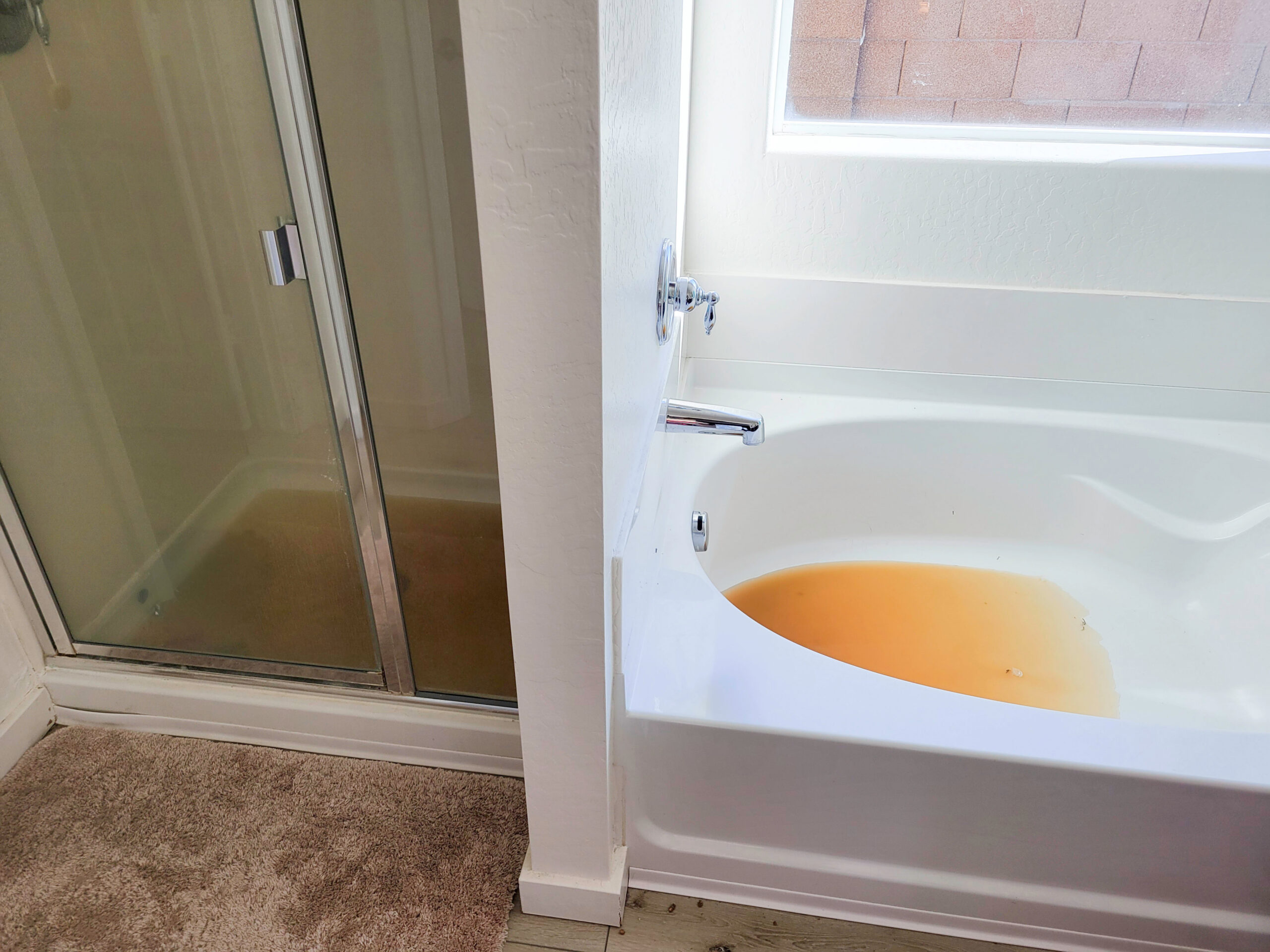
When your plumbing fixtures are situated lower than your main discharge pipe, gravity can’t push the wastewater out. You rely on a mechanical boost from a component called the sewer ejector pump. This unsung hero of your home’s waste system forcefully pumps solids and liquids uphill so your plumbing can function as intended.
Recognizing the signs your sewer ejector pump needs repair or replacement can help you prevent a backup before it starts. Because these units are not easily accessible, it is easy to assume everything is fine until you’re faced with a slow drain or an unpleasant scent.
Understanding when a sewer ejector pump needs to be repaired or replaced ensures that a minor mechanical hiccup doesn’t turn into a major household emergency.
How Can You Tell There’s a Problem with Your Sewer Ejector Pump?
When working properly, your sewer ejector pump goes unnoticed. But when it’s struggling, it will let you know it through several key warning signs. If you notice any of the following symptoms, your system may need professional attention:
- Unusual Noises: A healthy pump should hum. If you hear grinding, clanging, or thumping, it often indicates a motor issue or a foreign object stuck in the impeller.
- Frequent Cycling: If the pump turns on and off every few minutes — even when no water is being used — there may be a faulty float switch or a check valve failure.
- Persistent Sewage Odors: While these systems are sealed, a failing pump or a cracked vent can allow sewer gases to escape into your living space.
- Slow Drainage: When the pump is sluggish, you’ll notice water backing up in basement sinks, showers, or floor drains.
- Failure to Start: If the basin is filling up but the pump remains silent, you are likely facing a power issue or a completely burnt-out motor.
What Causes Sewer Ejector Pumps to Need Repairs or Replacement?
Understanding why sewer ejector pumps fail can help you extend the life of your equipment and avoid preventable breakdowns. Most issues stem from one of a few common culprits:
- System Age: Nothing lasts forever. Most high-quality sewer ejector pumps have a lifespan of roughly 7 to 10 years. If yours is pushing a decade, its internal components are likely wearing thin.
- Debris and Clogs: These pumps are designed for wastewater and toilet paper. “Flushable” wipes, feminine hygiene products, and grease can easily jam the mechanism.
- Float Switch Misalignment: The float is what tells the pump to turn on. If it gets stuck against the side of the basin or tangled in a cord, the pump won’t know when to work.
- Electrical Failures: Power surges or short circuits can damage the motor windings, often requiring a professional to diagnose whether the unit is still salvageable.
Choose Us for Your Septic Pumping Needs
Fill out our form and we'll be in touch!
What Happens If You Ignore Signs Your Sewer Ejector Pump Is Failing?
It can be tempting to ignore a small noise or a slow drain, but sewer ejector issues tend to escalate quickly. Neglecting the warning signs can lead to several unpleasant outcomes:
- Sewage Backups: This is the most significant risk. When the pump stops, the wastewater has nowhere to go but back up through your drains and onto your basement floor.
- Property Damage: Raw sewage is destructive. It can ruin drywall, flooring, and personal belongings, leading to an expensive restoration process.
- Health Hazards: Standing wastewater introduces bacteria and mold into your home environment, creating a safety risk for your family and pets.
- Total Motor Burnout: A pump that is struggling but still running will eventually overheat and seize, turning a repairable issue into a mandatory replacement.
Should You Replace or Repair Your Sewer Ejector Pump?
Deciding whether to fix your existing unit or invest in a new one usually comes down to the severity of the problem and the age of the pump.
- If the unit is relatively new and the issue is a simple fix — like a clogged impeller or a tangled float switch — a repair is often the most cost-effective path.
- However, if the motor has seized or the pump is well past its seven-year mark, replacement is usually the smarter long-term investment to ensure reliability.
Ultimately, it isn’t always possible to determine the best course of action without a professional’s perspective. At Puget Sound Septic, we can perform a diagnostic check to see exactly what’s happening inside the basin. Whether it’s a minor adjustment or a full system upgrade, we’ll provide an honest assessment of what your home needs.
Call Us for Sewer Ejector Pump Repairs and Replacement in King County WA
Don’t wait for a basement flood to take action. As the local authority on septic systems and sewer ejector pump services in King County WA, Puget Sound Septic is here to ensure your home’s waste management system remains reliable and clean. We understand the specific plumbing needs of our community and are committed to providing straightforward, effective solutions.
Is your pump acting up? Contact Puget Sound Septic today to schedule an inspection and get your system back in peak condition.
Back to Outdoor Sewage Ejector Pump Services