Whether you’ve just moved into a new home with a septic tank, or you want to learn more about the one you already had, it’s important to be familiar with how to take care of it. Preventing harmful items from entering your septic system is one of the most important ways to keep it in top shape, so we’ve compiled a list of some of the most dangerous items to avoid.
Top 8 Things to Keep Out of Your Septic System
- Strong chemicals, like bleach, drain cleaner, or pesticides can kill the good bacteria needed to keep septic systems running. Instead of attempting to clean your drains yourself, contact a professional for drain cleaning that won’t cause more issues.
- Flushable wipes, despite their name, are not biodegradable and will clog your septic system or pipes over time. This is true for any cotton product, including paper towels, diapers, and tampons.
- Hair that’s disposed of through drains, whether you’re shaving in the shower or over the sink, can quickly cause issues for septic tanks. As clumps of hair move together, they can form a netting that slows or even completely breaks the septic tank process.
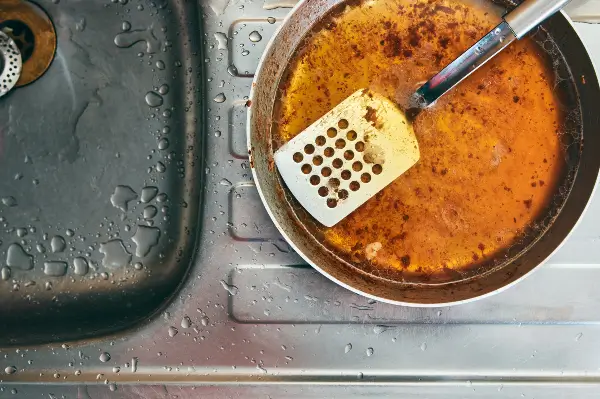
- Greasy or oily substances aren’t able to break down the way that water and waste can. After cooking your morning bacon, you might just want to pour the grease down your sink, but that can cause the grease to solidify inside your pipes or tank and clog the system for good. Instead, wait for the grease to harden and then scrape it into your garbage can.
- Cat litter, including biodegradable or “flushable” cat litter, should not go down a septic system. Cat litter functions by expanding in liquid, so flushing it down the drain creates an extremely high risk of clogs and sewage backups.
- Medications including pills and liquids can clog your drains or cause structural damage to the system, which will require expensive repairs. Instead, return your medications to your pharmacy or a drug take back location.
- Food scraps, including using a garbage disposal, could be harming your septic system. In particular, coffee grounds, eggshells, rice, and vegetables can impact the environment that septic bacteria need to thrive. Consider implementing a compost bin for your home, or simply throw the scraps away instead.
- Any garbage that should be thrown in the trash does not belong in a septic system. Cigarette butts, dental floss, band-aids, and contact lenses are commonly tossed down the train, but it’s best to dispose of them where they belong.
What Can Go Down a Septic System?
With so many potential hazards, you may be wondering what should be used around a septic system. Living in a home with a septic tank is a commitment, and your cleaning routine should be a part of that. Look for products specifically designed to be septic safe, such as biodegradable soaps, cleaning products made of vinegar or baking-soda instead of harsh chemicals, and drain cleaners that utilize natural enzymes.
Choose Us for Your Septic Pumping Needs
Fill out our form and we'll be in touch!
What to Do if Something Harmful Goes Down Your Septic System
If you’ve mistakenly put something on this list down your septic system, you need to stay on high alert. Watch out for signs of a system malfunction, such as:
- Water or sewage backing up in your drains, toilets, or sinks, or pools of standing water near the septic tank.
- Slow or gurgling draining from bathtubs, showers, and sinks.
- Sewage smells near the septic tank and drain field.
- Noticeably greener or lusher grass near the septic tank, especially if the rest of your yard is dry or brown.
What Will Happen if You Continue to Put Items Down Your Septic System
Ignoring the risks of improper maintenance and continuing to treat your septic tank poorly is bound to cause expensive issues. Beyond foul smells and landscaping issues, a broken down septic system can go on to cause sewage backups, water contamination, and even house floods. Taking a few extra steps to keep your system effective now, could be the determining factor that keeps your home safe from sewage water bursting through the pipes.
When to Reach Out to the Professionals
If you’re concerned about what’s gone down your pipes lately, or it’s been over three years since your last septic tank inspection, you need to contact an expert.
Puget Sound Septic is here to help you every step of the way. Our number one priority is helping you keep your septic tank running flawlessly, so you can feel at ease in your home.
Back to Septic System Hydro Jetting