
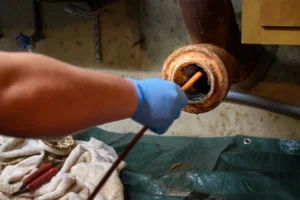
When you live in a home with a septic system, you can’t treat a drain clog the same way sewer-connected homeowners do. A clogged septic line or backed-up tank can quickly turn your daily routine into a nightmare, and standard plumbing solutions can actually make things worse.
At Puget Sound Septic, we provide professional drain cleaning services engineered specifically to protect your tank and drain field. If a slow sink, backed-up shower, or sluggish toilet is disrupting your day, our team has the specialized equipment and expertise to clear the line safely.
Do I Have a Clog? (Signs of a Clogged Septic Line You Shouldn’t Ignore)
Watch for these early warnings that tell you it’s time to call for professional clogged drain service:
- Water backs up into your home. Multiple drains backing up at once is one of the clearest signs of a clogged septic line or a full septic tank that needs immediate attention.
- Multiple slow drains throughout the house. If your kitchen sink takes forever to empty or your shower leaves you standing in ankle-deep water (and other fixtures are affected, too), the issue is likely a main line blockage rather than a single clogged pipe.
- Gurgling sounds. Bubbling or gurgling coming from your toilets or lower-level drains means air is trapped behind a heavy waste accumulation.
- Foul odors. Sewer smells inside your home or near your tank yard indicate that waste is backing up or venting improperly.
Is Your Clogged Drain a Quick Fix or a Bigger Problem?
Not every clogged drain means disaster. But knowing the difference between a minor issue and a serious septic clog can save you time, money, and stress.
Signs your clogged drain might just be a small issue:
- Only one drain is affected. If your bathroom sink drains slowly but every other fixture works fine, you likely have a blockage isolated to that single location rather than a system-wide problem.
- A plunger provides only temporary relief. When basic plunging gets water moving again, you’re probably dealing with a minor blockage near the drain opening.
- The problem just started. A drain that recently slowed down and hasn’t spread to other fixtures may be a simple buildup you caught early.
Signs that you’re dealing with something more serious:
- Multiple drains are backing up simultaneously. When your toilets, showers, and sinks all drain slowly at the same time, your septic line is clogged, or your tank is at capacity.
- Wet, soggy areas in your yard near your septic tank or drain field, especially if they smell bad.
- The problem keeps coming back. If your drain was clogged last month and it’s clogged again now, there’s a deeper issue that DIY methods won’t solve.
- Gurgling from multiple fixtures when you flush a toilet or run water anywhere in your home.
- Sewage or wastewater backs up into your home. This requires immediate professional intervention.
What You Can Do Right Now About a Septic Clog
If you suspect a blockage, taking prompt action can help you avoid costly system damage. Here’s what our experts recommend:
- First, cease all water usage. Don’t flush toilets, run dishwashers, or do laundry. Every drop of water you send down the drain makes the clog worse and could cause sewage to back up into your home.
- Contact a septic expert immediately. Professional intervention is necessary as clogs worsen rapidly. Early notification can minimize both damage and repair expenses.
- Inspect access covers safely. If you can locate your septic tank covers, check for sewage or standing water nearby. Never attempt to open these yourself due to the risk of dangerous gases.
- Avoid chemical cleaners. Harsh store-bought chemicals can destroy the essential bacteria in your tank and harm your plumbing, complicating professional repair efforts. We recommend avoiding products even if they are labeled “septic-safe” for major clogs.
- Record the details. Document the issue by taking photographs and noting when the problem began. This data assists our team in providing a faster diagnosis.
Choose Us for Your Septic Pumping Needs
Fill out our form and we'll be in touch!
What Causes a Clogged Drain Pipe in Septic Systems?
- Flushing the wrong things is the biggest culprit behind septic clogs. Your septic system can only handle human waste and toilet paper. Even products labeled “flushable,” like certain wipes, don’t break down in your septic tank. They build up in your pipes and create stubborn clogs that require professional cleaning.
- Grease and cooking oil seem liquid when hot, but they turn solid in your cool septic pipes. Over time, grease sticks to pipe walls and catches other debris, creating a dam that blocks water flow. This problem gets worse in the Pacific Northwest’s cooler soil temperatures.
- Tree roots love the moisture and nutrients in septic lines. Our beautiful PNW trees send out roots searching for water, and they can break into older pipes through tiny cracks. Once inside, roots grow quickly and create major blockages.
- Skipping routine maintenance leads to clogs, too. When your septic system hasn’t been pumped in a long time, it can cause a host of problems, including backups throughout the house. Most Puget Sound homes need pumping every three to five years, depending on household size and water usage.
- Old or damaged pipes can crack, collapse, or separate over time. When this happens, waste gets caught in the damaged areas and creates blockages. Our region’s wet soil conditions can speed up pipe damage.
How We Provide Professional Septic-Safe Drain Cleaning
When it comes to your plumbing, we don’t guess. We use precision diagnostic tools to locate the issue and state-of-the-art equipment to solve the problem without damaging your septic system.
- Before clearing a stubborn blockage, we run an inspection camera through your lines. This allows us to see the exact nature of the clog and verify the physical integrity of your pipes beforehand.
- For isolated, minor blockages near household fixtures, we use precise mechanical tools to retrieve or break up the clog cleanly, so no harmful materials are forced down into the tank.
- For heavy sludge, grease, or roots blocking your main lines, we use hydro jetting to scrub the inside of your pipes completely clean, restoring them to like-new condition without using a single drop of toxic chemicals.
- After clearing your clog, we always inspect your entire septic system. This comprehensive approach helps us catch small problems before they become big ones.
Proudly Helping King County WA
Puget Sound Septic has served King County WA homeowners for over 3 years, building our reputation one satisfied customer at a time. We understand the unique challenges King County WA septic systems face, and why your drain was clogged in the first place.
We’re your neighbors, and we treat your property with the same care we’d want for our own homes. When you call us for clogged drain cleaning services, you get local experts who can be at your door quickly.
Don’t let a clogged septic tank or septic line clogged with debris disrupt your life. Call Puget Sound Septic today for fast, professional clogged drain service you can trust. We’re here to take the stress out of septic problems so you can focus on what matters most.