
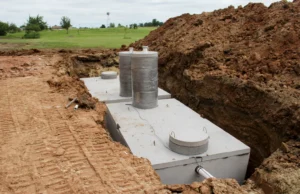
Installing a septic system is a significant investment for any property owner. Most homeowners can expect to spend anywhere from $3,000 to $12,000 for a standard septic system installation. More complex systems or challenging site conditions could raise costs even higher.
Understanding what goes into the pricing can help you plan your budget and avoid unexpected expenses.
Does the Cost Depend on Your Property?
Yes, your property’s features play a significant role in determining the final cost of your septic tank installation. While tank size forms the baseline expense, several site-specific factors can influence your total investment, including:
- Tank Placement: Access for equipment and vehicles, proximity to existing utilities, and distance from your home all influence overall costs.
- Landscaping and Obstacles: Removing or working around trees, rocks, and existing structures requires time, equipment, and expertise.
- Paperwork and Permits: Every installation requires proper documentation from King County WA.
- Excavation and Soil Type: The composition of your soil directly impacts how much digging is required and how easily your drain field will function.
- Terrain and Slope: Properties with steep inclines or uneven terrain have additional engineering challenges.
- Existing Tank Removal (or Decommissioning): If you have an old tank that needs to be removed before installation, it adds another layer of work and expense.
- Tank Replacement: When replacing an existing system, the type of tank currently in place can significantly impact pricing, especially if the new system requires different specifications or placement.
Every property is different, which is why professional site evaluations are essential for an accurate estimate.
Septic Tank Installation Steps
Installing a septic system requires several steps to ensure it functions properly and meets local regulations:
-
- Site Evaluation & Soil Testing: A percolation (perc) test is conducted by a local expert to determine how well the soil absorbs water. This step helps determine the type and size of the system needed.
- System Design & Permitting: Based on test results and property layout, a septic system engineer will design a system that works for your home. All necessary permits must be obtained before the installation begins.
- Excavation: The installation area is excavated to prepare for the tank and drain field. This includes trenching for pipes and creating proper grading.
- Tank Installation: The septic tank is placed in the ground and connected to the home’s plumbing system.
- Drain Field Installation: Perforated pipes are installed in gravel-filled trenches to allow wastewater to disperse safely into the soil.
- Inspection & Backfilling: Local authorities inspect the system before it is covered. Once approved, the area is backfilled and restored.
Each of these steps are mandatory to make sure your septic system operates efficiently and meets all of your local regulatory requirements. Which is why it’s important to have a septic professional handle the process.
Choose Us for Your Septic Pumping Needs
Fill out our form and we’ll be in touch!
Where You Can Save Money vs. Where to Spend
When planning a septic installation, it’s important to know where you can reduce costs, and where cutting corners could lead to bigger expenses later.
Where You Can Save:
-
- Choosing standard tank materials (plastic and polyethylene) instead of premium options (fiberglass and steel).
-
- Scheduling installation during off-peak seasons when there’s less demand for labor.
-
- Keeping the system layout simple when possible.
-
- Maintaining ease of access to the site to reduce labor and equipment costs.
Where to Spend:
-
- Professional design and installation to avoid expensive mistakes.
-
- Proper drainage and soil preparation to prevent system failure.
-
- Permits and inspections to comply with legal standards and avoid fines.
Do You Need to Consider Maintenance Costs?
Yes, ongoing maintenance is a necessary part of septic system ownership and should be factored into your overall budget. Typical maintenance costs include:
-
- Septic tank pumping: Every 3–5 years, typically $500–$850
-
- Routine inspections: Recommended every 1–3 years
-
- Minor repairs: Addressing small issues is important, to stop them from becoming major problems
Neglecting maintenance can lead to system backups, drain field failure, and costly replacements that can exceed the original installation cost. Adhering to an upkeep schedule helps extend the life of your system and lets it continue to operate efficiently.
Reach Out to Learn More About Septic System Installations
Septic system installation costs can vary based on your property, system design, and local requirements. Getting an accurate estimate starts with a professional evaluation and expert guidance.
If you’re planning a septic installation or need help understanding your options, reach out today to learn more. Our team can walk you through the process, provide transparent pricing, and ensure your system is built to last.