
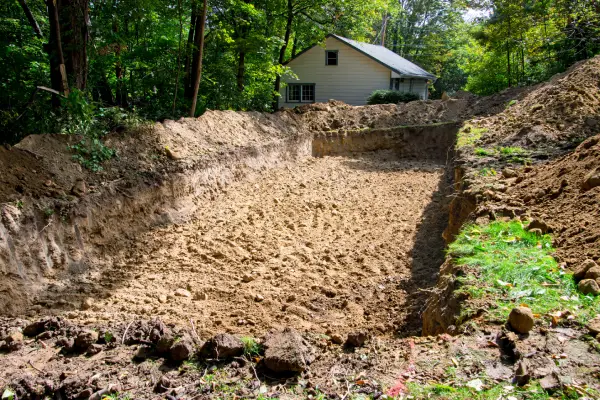
A pressure distribution septic system is an engineered upgrade designed for one primary purpose: to protect your drainfield and make it last. Unlike a standard gravity system that can overwhelm and clog your soil, a pressure system uses a pump to deliver wastewater in smart, even doses across the entire drainfield at once.
If you’ve been told your property has “challenging soil” or limited space, this isn’t just an upgrade — it’s often the required solution. It replaces the gamble of a gravity-fed system with the reliability of an engineered approach, ensuring your investment is protected for decades to come.
How a Pressure Distribution System Works
To understand why pressure distribution is so effective, you first have to understand why basic gravity systems can fail. A gravity system floods the beginning of the drainfield trench, constantly saturating the soil in one small area. Over time, this leads to the formation of a dense, clogged biological layer (biomat) that chokes off the soil’s ability to absorb water, causing premature and costly failure.
A pressure distribution system avoids this problem by design. Here’s the expert approach:
- The Pump Chamber: After the septic tank separates solids, the liquid effluent collects in a pump chamber. This acts as a reservoir, holding the water for the next controlled dose.
- Timed Dosing: A high-quality pump, activated by control floats, pushes effluent out to the drainfield in timed, measured volumes. This is critical: This “dosing and resting” cycle allows the soil and its beneficial microorganisms to “breathe” between doses, maintaining the aerobic conditions that are essential for effective wastewater treatment.
- The Network of Laterals: The pressurized effluent flows through a network of small-diameter pipes, called laterals, laid throughout the drainfield. These pipes contain small, precisely drilled holes, or “orifices.” The engineering here is key: These orifices ensure that effluent is sprayed evenly from one end of the drainfield to the other, guaranteeing 100% of the soil is put to work with every dose.
Pressure Distribution vs. Gravity Septic Systems
Choosing a pressure distribution system isn’t just about meeting a requirement; it’s about investing in the long-term health and value of your property.
- Engineered for Longevity: By dosing the entire drainfield and allowing it to rest, pressure distribution prevents the progressive biomat clogging that kills gravity systems. This is the single most important factor in maximizing the lifespan of your drainfield, protecting you from a multi-thousand-dollar replacement project down the road.
- Superior Environmental Protection: The thin, even application of effluent allows for more effective treatment as it filters through the soil. This provides better protection for your property, your well, and any nearby streams or wetlands.
- An Active, High-Performance System: Unlike a passive gravity system, this is an active system that requires electricity for its pump and controls. These components are not a drawback; they are what guarantee its superior performance and reliability.
Choose Us for Your Septic Pumping Needs
Fill out our form and we'll be in touch!
When is a Pressure Distribution System Necessary?
While not necessary for every property, a pressure distribution system is often the definitive and professionally recommended solution in several common scenarios.
- When It’s Non-Negotiable: For many sites with clay soils, a high water table, or shallow bedrock, local health codes in King County and across Washington mandate pressure distribution. This isn’t an upsell; it’s a requirement based on soil science to ensure the system functions safely and protects public health.
- When It’s the Engine for Other Systems: Advanced treatment systems like Mound Systems and Sand Filters are entirely dependent on pressure distribution to function. It is the engine that makes those proven technologies work.
- When It’s a Smart Upgrade: For any large drainfield, pressure distribution is the best practice to ensure the entire field is utilized. It is a wise investment to protect the most expensive component of your septic system.
Pros and Cons of Pressure Distribution Systems
We believe in giving you the full picture so you can make a confident and informed decision.
Key Advantages
- Engineered Longevity: The most effective way to maximize drainfield lifespan and prevent premature failure.
- Superior Treatment: Provides more effective wastewater treatment in the soil for better environmental protection.
- Enables Difficult Sites: The proven solution for making properties with challenging soil or space limitations viable.
Potential Drawbacks
- Higher Initial Cost: Reflects a more complex, engineered design and additional high-quality components (pump, floats, controls).
- Requires Power: As an active system, the pump requires electricity to function, which will add a modest amount to your utility bill.
- Requires Specialized Maintenance: The mechanical components need periodic professional service to ensure continued reliability and peak performance.
Pressure Distribution System Maintenance
To ensure decades of reliable service, a pressure distribution system requires a specific maintenance plan. Think of it like servicing a high-performance vehicle. This includes not only pumping the septic tank on schedule but also professional servicing of the mechanical components.
Our technicians test the pump, control floats, and alarms, and perform periodic flushing of the lateral lines to remove accumulated solids and keep the orifices clear. This proactive service is the key to protecting your investment and ensuring your peace of mind.
Services for Pressure Distribution Systems in King County, WA
There are many types of septic systems, and choosing the right one is a major decision, often made under stressful circumstances. Our first job is to be your expert guide, translating the technical requirements of your property into a reliable, long-term solution. We don’t just install systems; we engineer them for performance and longevity.
Whether you have questions, want to schedule service, or need a septic inspection, we’ve got your back.
Reach out to Puget Sound Septic today.
Back to Common Types of Septic Systems and How They Work