
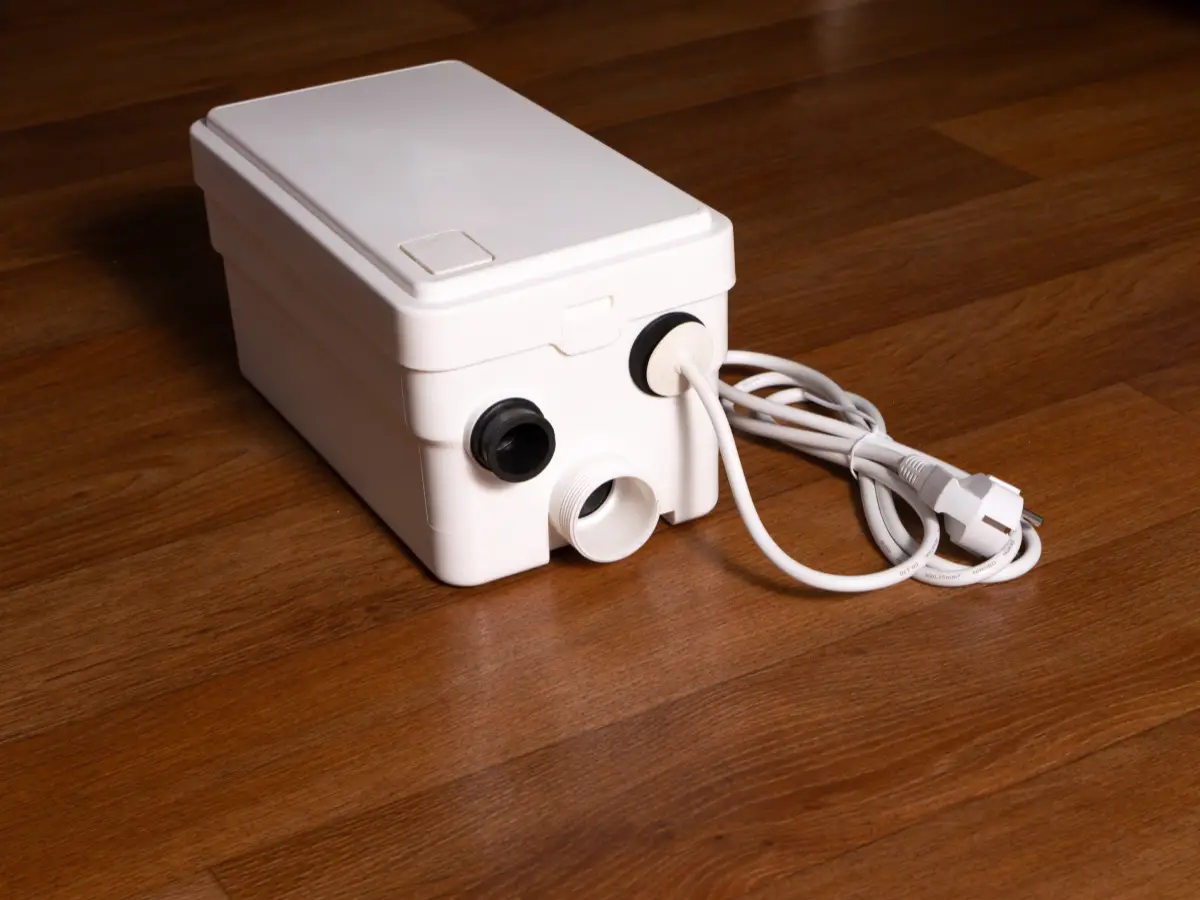
If you are renovating a basement, building a new home, or moving into a property with plumbing below the street level, you’ve likely encountered the term “sewer ejector pump.” But, when do you need a sewer ejector pump – and why?
For many homeowners, realizing that their waste can’t simply flow away by gravity is a stressful moment. It feels like one more technical hurdle and one more expense to worry about. While it sounds like a complex piece of industrial equipment, a sewer ejector pump is a straightforward and highly reliable solution to a very common elevation problem.
Whether you are adding a bathroom to a basement or dealing with a lot that sits lower than the city sewer main, this guide will help you understand how these pumps work, why they are necessary, and the local regulations you need to know about.
What Is a Sewer Ejector Pump?
A sewer ejector pump is a specialized device designed to lift wastewater and solid waste from lower-level plumbing fixtures up to the main sewer line. It essentially acts as a localized “lift station” for your home’s plumbing when gravity can’t do the job alone.
In most homes, the main sewer line exits the building and slopes downward toward the city sewer or a septic tank. However, if you have a bathroom, laundry room, or floor drain located below the level of that exit pipe, gravity works against you.
The ejector pump sits in a sealed basin in the floor; as the basin fills, the pump activates, pushing the waste upward. For most homes, a pump capable of handling up to 20 feet of vertical lift is plenty. Commercial properties or homes with extreme elevation changes may require high-performance systems designed for greater vertical pressure.
When Do You Need a Sewer Ejector Pump?
You generally need a sewer ejector pump any time your plumbing fixtures are physically lower than the point where your waste exits the house. Common scenarios include:
- Basement Bathroom Additions: The most common use case. If you are adding a toilet or shower below grade, the waste must be pumped up to the main floor’s drain lines. (Please note: we do not service basements at this time – we provide outdoor sewage ejector pump services only).
- Below-Grade Laundry Rooms: Washing machines located in basements often require a pump to reach the main waste stack.
- Homes Built Below the Sewer Main: On some hilly lots, the entire house may sit lower than the municipal sewer line in the street.
- Septic System Elevation: If your septic tank or drainfield is located at a higher elevation than the house itself.
Choose Us for Your Septic Pumping Needs
Fill out our form and we'll be in touch!
Types of Ejector Pumps
Not all pumps are the same. Choosing the right one depends on what kind of waste the pump will be handling:
- Standard Sewage Ejector Pumps: These are designed to pump liquid effluent and small solids (up to 2 inches) through the discharge pipe. They are the standard choice for basement bathrooms.
- Grinder Pumps: These are higher-powered units equipped with rotating blades (similar to a garbage disposal) that macerate waste into a fine slurry. These are typically used when waste needs to be pumped over longer distances or through smaller-diameter pipes.
- Sump Pumps vs. Ejector Pumps: It is important to note that a sump pump (which handles groundwater) is not an ejector pump. A sewage ejector pump must have a gas-tight, sealed lid and a dedicated vent pipe to manage sewer gases.
What Happens If You Don’t Have an Ejector Pump — or It Breaks?
If your plumbing is below the sewer line and you don’t have a pump, the result is simple: your fixtures will not drain. Wastewater will sit in the pipes or, worse, overflow at the lowest point in your home.
When an existing pump breaks, treat it like an emergency. Without the pump to clear the basin, it can lead to raw sewage backups on your floor. This creates a significant health hazard and potential for major water damage.
Washington/Seattle Area Regulations Regarding Sewer Ejector Pumps
In the Seattle area and throughout Washington State, sewer ejector pumps are governed by the Uniform Plumbing Code (UPC) and local amendments.
Key regulations you should be aware of include:
- Venting Requirements: All ejector basins must be vented to the outdoors to safely exhaust sewer gases and allow for proper pressure equalization.
- Check Valves: To prevent wastewater from flowing back into the basin once the pump turns off, a backwater or check valve is required on the discharge line.
- Permitting: In King County, any new installation or significant modification to a sewage pumping system requires a plumbing permit and a subsequent inspection to ensure it meets health and safety codes.
- Alarm Systems: Local codes generally require an audible or visual alarm to alert the homeowner if the pump fails or the water level reaches a critical height.
Call Us with Questions About Sewer Ejector Pumps in the Seattle Area!
At Puget Sound Septic, we pride ourselves on being the go-to experts for sewer and septic solutions in the Seattle area. We don’t just fix pumps; we ensure your entire system is engineered for long-term reliability. Don’t wait for an alarm to go off — let us help you ensure your home’s plumbing is up to the task.
Have questions about your sewer ejector pump or need to schedule a service? Call or email Puget Sound Septic today to speak with one of our local experts!
Back to Outdoor Sewage Ejector Pump Services